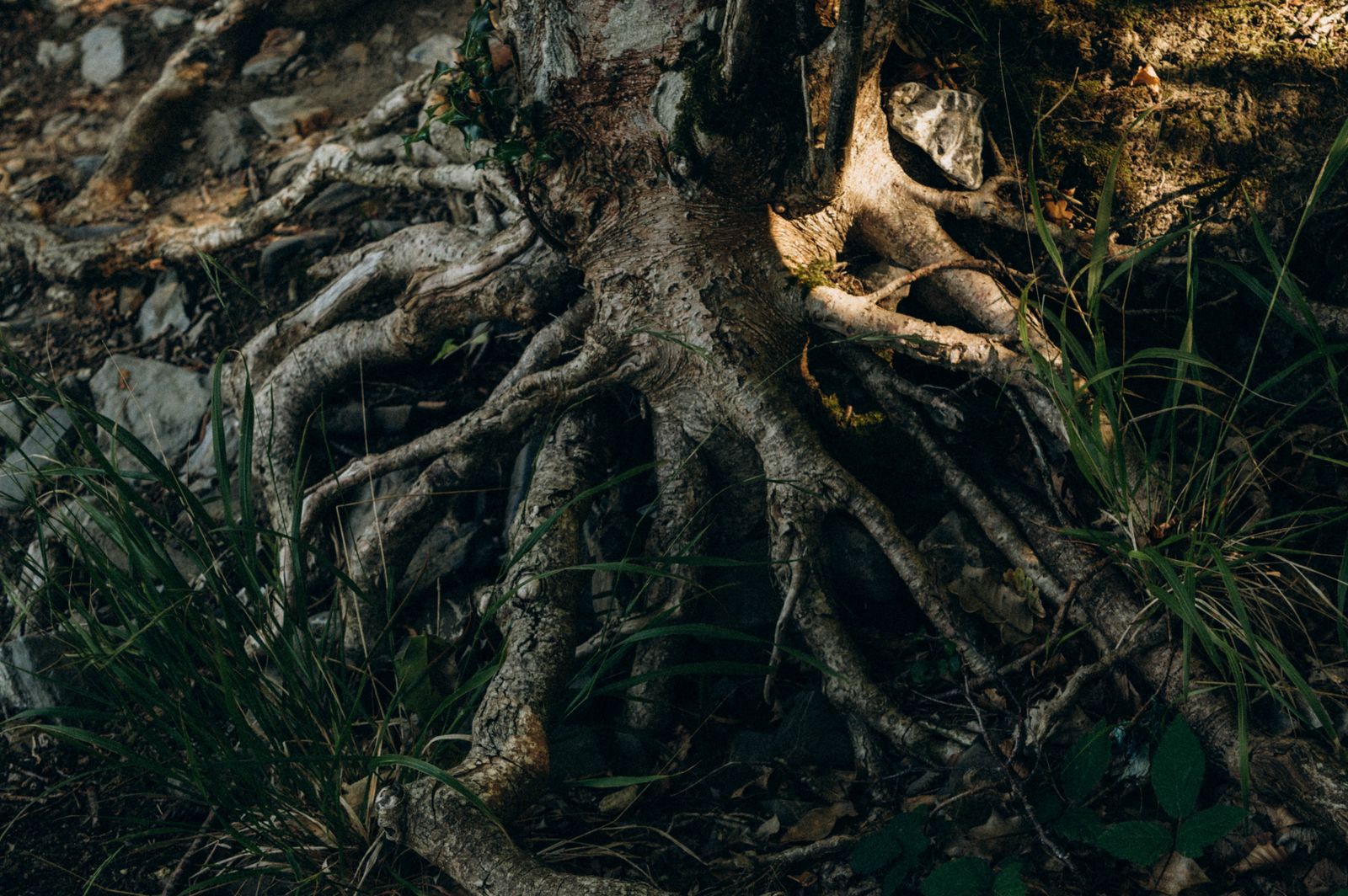
Tree Roots in the Sewer Line: Help in Mechanicsville, VA
Tree roots in sewer line joints are one of the most common reasons Mechanicsville drains back up again and again. Cutting them out clears the pipe; the camera shows whether the joint they came through needs repair.
The short version
- Roots enter through joints and cracks
- Cutting clears the pipe, not the cause
- Camera shows if repair is needed
If your main line clears and then clogs again a few months later, roots are a strong suspect. Help with tree roots in sewer line in Mechanicsville comes in two parts: clearing the pipe so it flows, and looking at the pipe so you know why the roots got in. The local pros we connect you with do both, and they tell you straight whether cleaning alone is a reasonable plan.
How root intrusion sewer pipe problems start
Roots go where the water and nutrients are. A sewer lateral gives off warm, moist air through any small gap, and fine feeder roots follow it. In older clay pipe the gaps are usually at the joints, where short sections meet. In damaged pipe of any material they come in through cracks.
Once inside, the roots thrive. They spread into a mat that catches paper and waste, and the flow slows down. Over time the mass can fill the pipe, and the pressure of growing roots can widen the joint or crack further.
Signs roots in sewer lateral pipe are the problem
- A main-line clog that keeps returning, often on a similar cycle
- Several drains slowing together, especially the lowest ones
- Gurgling in a toilet when another fixture drains
- Root fibers on the cable after a drain cleaning
- A soggy or unusually green patch along the sewer path
None of these prove roots on their own. A camera run does. It shows the roots, the joint they came through and whether the pipe around them is still in good shape.
Cutting roots out of sewer line pipe: what it does and does not do
Cutting roots out of sewer line pipe is usually done with a mechanical cutter on a cable or with high-pressure water jetting, depending on the pipe and how dense the roots are. Either way, the goal is to restore full flow and give the camera a clear view.
What cutting does not do is close the gap the roots used. The joint or crack is still there, still giving off moisture, so regrowth is likely. That does not mean cutting is pointless. For a line with light root entry at one or two joints, periodic clearing can be a reasonable plan. The camera is how you decide.
Clog back again? A pro can clear it and show you on camera where the roots are getting in.
Get roots cleared and the line checked
When roots mean the pipe needs repair
Some findings point beyond cleaning. A joint pushed open far enough to see soil, a cracked section with roots growing through, or a pipe that has started to lose its shape are signs the line itself needs work. Options range from a spot repair at one joint, to lining the run so it has no joints for roots to use, to clay sewer pipe replacement on an older lateral that is failing in several places.
If roots have already caused a full stoppage and sewage is coming up a floor drain, start with our page on sewer backup steps, then come back to the root question once the line is flowing.
Trees near the line on Mechanicsville lots
Mechanicsville sits on Virginia Coastal Plain ground with many mature hardwoods, and plenty of lots have big trees near the sewer path. The older ranch-era lots along Route 360 often have the oldest trees and the oldest jointed pipe, which is the classic combination for root trouble.
Newer neighbourhoods are not immune. In the Atlee corridor, landscaped yards with fast-growing ornamental trees can still send roots toward a joint or a fitting. Our pages on sewer line repair in Kings Charter and sewer line repair in Rutland explain how that plays out on newer lots.
Keeping roots out after the repair
No repair can promise roots will never be a problem again, but some choices make it less likely. A lined pipe or a new section with tight, modern joints gives roots far fewer ways in. Where a tree sits right over the line, some homeowners choose to relocate future plantings away from the sewer path.
Root-killing products are sold for this, but results vary and some are not suitable for every pipe or situation. Ask the technician before using anything, and never pour chemicals into a line that is already backed up.
What a root call looks like from start to finish
You call and describe the symptoms, including whether the line has been cleared before and when. A local pro is dispatched, same day where a slot is open. On site, they find the easiest access, clear the roots so the line flows, and then run the camera to see the joints the roots came through.
You see the footage, hear whether the entry points can be managed with periodic clearing or need repair, and get upfront pricing on each option. Nothing beyond the clearing you agreed to starts until you say so.
Mechanicsville homes and root trouble
The pattern follows the housing eras. Clay and cast iron laterals in 1950s to 1970s homes have more joints and more chances for roots. PVC in 1990s-and-newer subdivisions resists roots better, though fittings and transitions can still let them in. Homes on septic in the rural edges are outside this service.
If you are dealing with tree roots in sewer line joints in Mechanicsville, the age of the house is the most useful first clue: the older the lateral, the more joints roots have to work with.
Tree root questions
What homeowners ask when roots show up on the cable or the camera.
Roots on the cable again?
Call and get help clearing the line and finding the entry point.
Call before it backs up againCutting clears the inside of the pipe but leaves the entry point open. Moisture keeps drawing new roots to the same joint or crack, so regrowth is common until that gap is repaired.
Roots usually exploit an existing weak point rather than break sound pipe. Once inside, though, their growth can widen a joint or crack and make an older pipe worse over time.
Not necessarily. Many lines can be repaired or lined so roots have no easy way in, and the tree can stay. It is a judgement call about the tree's location, its value to you and the condition of the pipe.
No. It restores flow and lets the camera see, but the opening the roots used is still there. It can be part of a reasonable maintenance plan for light root entry.
Results vary, and some products are not suitable for every pipe. Ask the technician before using one, and never add chemicals to a line that is backed up.
Large, fast-growing trees close to the sewer path tend to be the usual suspects, but any tree near a leaking joint can send roots in. Distance from the line matters more than the species name.
Repeat main-line clogs, root fibers on a cleaning cable and gurgling toilets are strong hints. A camera inspection confirms it and shows where they are getting in.
Coverage varies widely by policy. Check with your insurer directly; the technician can provide camera footage and notes if you need to document the problem.
Tree roots in sewer line in Mechanicsville? Get them cleared
Calls answered 24/7, upfront pricing before any work. For the bigger picture, see sewer line repair mechanicsville homeowners call about, or how sewer cleanout installation makes future clearing easier.
(555) 010-0100 Get roots cleared and checked