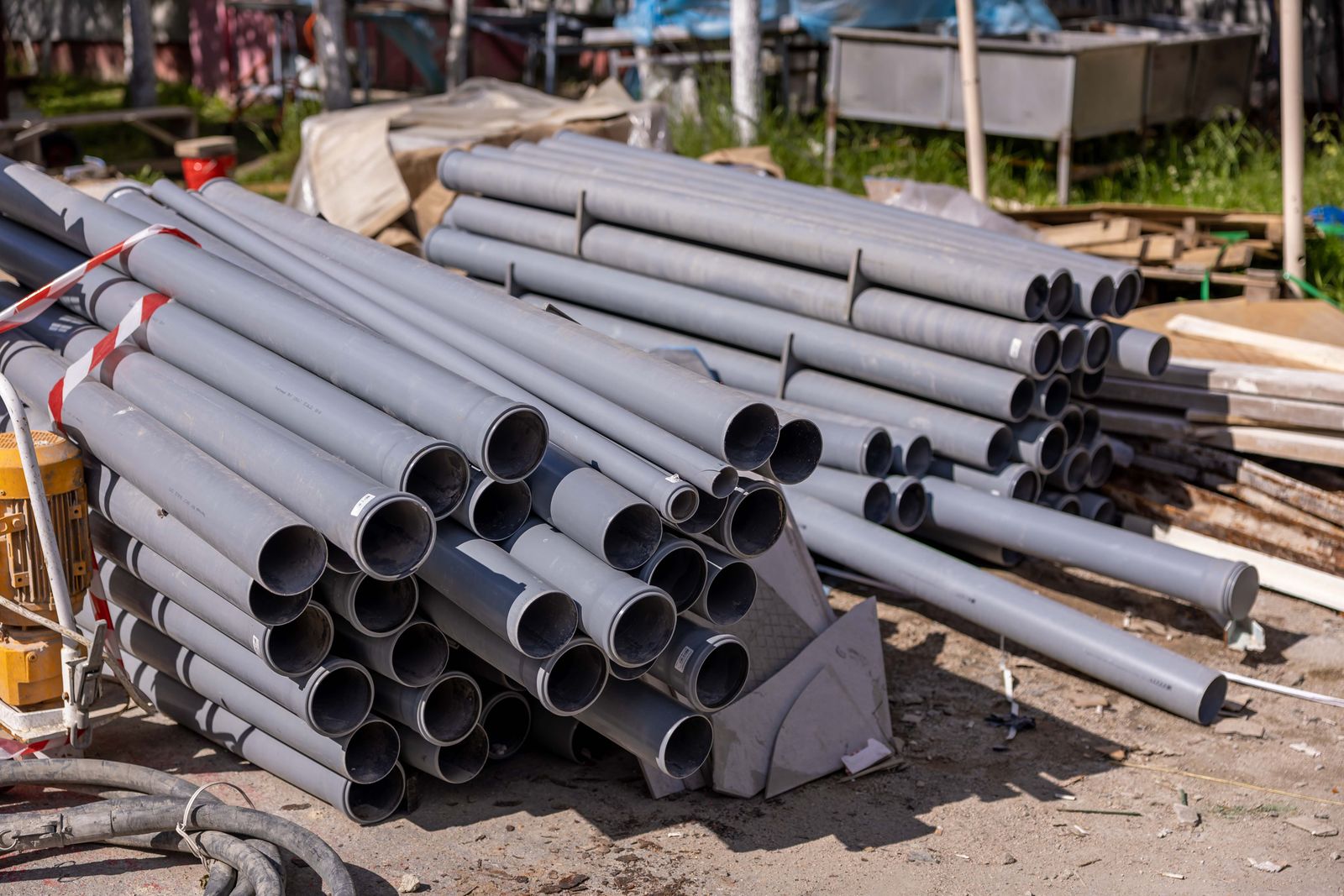
Sewer Cleanout Installation in Mechanicsville, VA
Sewer cleanout installation in Mechanicsville adds a capped access point to your building sewer, so the next clearing or camera run starts in the yard instead of through a toilet, a crawl space or the roof.
Why it helps
- A clean way into the line
- Faster future service
- Often added during a repair
Many older homes were built without an easy way into the sewer line. Sewer cleanout installation in Mechanicsville fixes that by adding a capped pipe that rises to the surface near the house. The local pros we connect you with can add one on its own or during other sewer work, and explain whether a one-way or two-way design suits your line.
What a sewer cleanout is
A cleanout is a short vertical pipe with a removable cap, connected to the building sewer. It gives a technician direct access to the lateral for clearing, camera inspection or lining. On many homes the outdoor sewer cleanout sits within a few feet of the foundation, along the route the line takes toward the street. Some homes also have cleanouts inside, on the drain lines in a crawl space or basement.
Homes without an outdoor sewer cleanout
Older housing is the most likely to lack an outdoor cleanout. Without one, access to the lateral usually means pulling a toilet, going through the roof vent or working inside a crawl space. Those routes can work, but they are slower, messier and sometimes do not give a clear path to the whole line.
Some homes have a cleanout that has been buried under landscaping, paved over or capped in a way that no longer opens. Finding and restoring it can be part of the job.
One-way vs two-way cleanout
A one-way cleanout gives access in one direction, usually downstream toward the street. A two-way cleanout has openings facing both directions, so a technician can work toward the main or back toward the house from the same point.
A two-way cleanout is often preferred on a new installation because it covers both directions, but the right choice depends on how the line is laid out and what access already exists. The tech will explain the reasoning.
| Type | Access | Typical use |
|---|---|---|
| One-way | Downstream toward the street | Simple access where the house side is reachable another way |
| Two-way cleanout | Both toward the street and toward the house | New installs and homes with no other good access |
How to install sewer cleanout access during a repair
The simplest time to install sewer cleanout access is when the line is already open. If a section is being dug for a spot repair or replacement, adding a cleanout at the same time takes far less extra work than a separate visit.
It also helps trenchless jobs: lining and camera work go in through the cleanout. Our page on trenchless sewer repair explains how access points are chosen.
Planning other sewer work? Ask whether a cleanout can be added at the same time.
Ask about adding a cleanoutWhat installing a cleanout involves
The technician first locates the building sewer outside the house and confirms its depth. A small excavation exposes the pipe at the chosen point, usually close to the foundation where the line is shallowest and easiest to reach.
A fitting is cut into the line, a riser pipe is brought up to grade, and a removable cap goes on top. The excavation is backfilled around the riser. If the line needs any other repair nearby, that is usually handled while the ground is open, and you will hear about it and its price before it is done.
The exact layout depends on depth, soil and what sits above the line. Mulch beds and lawn are simpler; a cleanout near a walk or driveway takes more planning.
Why a cleanout makes future service faster
With a working cleanout, the next technician can clear a blockage or run a sewer camera inspection from outside, without bringing equipment through the house. That usually means less disruption and a clearer view of the line.
It also matters when you buy or sell. A sewer scope before buying a house is much easier on a home with a cleanout.
There is a cost angle too, though it depends on the job. Work that can start at an outdoor cleanout usually takes less setup than work that has to begin by removing a toilet or crawling under the house. Over the years a home is likely to need clearing or a camera look more than once, so good access tends to pay for itself in simpler visits. Ask the technician how much of a difference it would make on your particular line.
Finding your cleanout
Look near the foundation on the side of the house where the plumbing leaves, often near a bathroom or the kitchen. Cleanouts are usually a short pipe, a few inches across, with a cap that may be threaded or square-headed. Check under shrubs and mulch, and around downspouts. If you cannot find one, the technician can locate the line and tell you whether one exists.
Do not remove a cleanout cap while drains are backing up. The line may be under pressure.
Looking after a cleanout
Once it is in, a cleanout needs very little. Keep the cap visible and clear of mulch so it can be found quickly. Avoid driving or parking over it if it sits near the edge of a driveway. If a cap cracks or goes missing, replace it, since an open cleanout can let in debris and surface water.
Mention it to anyone doing yard work, so a mower, an edger or a new bed does not damage or bury it.
Mechanicsville homes and cleanouts
Homes from the older Route 360 core are the most likely to be missing a usable outdoor cleanout. Many 1990s-and-newer homes in the Atlee corridor have one, though landscaping sometimes hides it. Our pages on sewer line repair in Kings Charter and sewer line repair in Rutland cover how newer lots are typically laid out.
Older established areas on the north side, such as sewer line repair in Holly Ridge, are among the places where a missing or buried cleanout is most common. If your house dates from the 1970s or earlier, it is worth asking about one at the next visit.
Sewer cleanout questions
What homeowners ask about access points.
No cleanout on your house?
Ask whether one can be added and what it involves.
Call for a same-day slotMany do, but older homes often do not, and some are buried. Check near the foundation where the plumbing leaves; if you cannot find one, the technician can locate the line and check.
Outdoors, it is usually close to the foundation along the sewer route. Indoors, cleanouts can be found on drain lines in a crawl space or basement.
It gives direct access to the lateral for clearing, camera inspection and lining, without working through a toilet or the roof vent. Future service is simpler and less disruptive.
Yes. A cleanout can be added to an existing line by excavating at one point and fitting it in. It is also easy to add during other repairs.
Requirements vary and change; check current local requirements. Whether or not one is required, many homeowners add one for the practical benefit.
Typically a round cap a few inches across on a short pipe, sometimes with a square nut on top. It may be at ground level or slightly above.
Never while drains are backing up, because the line may be under pressure. Even on a normal day, it should be left to the technician.
It depends on depth, soil and access. The technician can give a realistic estimate after locating the line.
Sewer cleanout installation in Mechanicsville
Calls answered 24/7, upfront pricing explained first. For the wider picture, read about sewer line repair mechanicsville homeowners call about.
(555) 010-0100 Call to add a cleanout