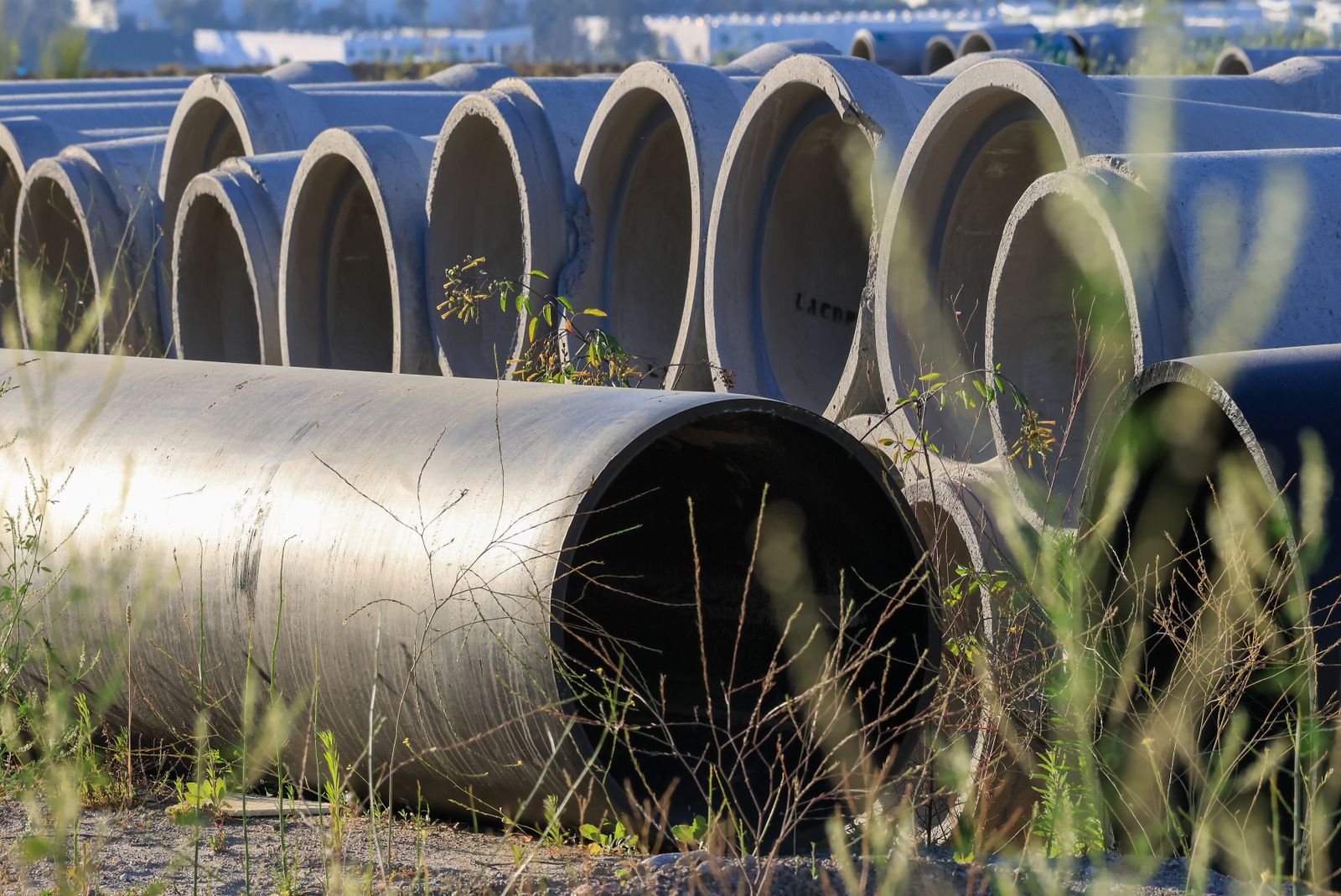
Clay & Orangeburg Sewer Pipe Replacement in Mechanicsville, VA
Clay sewer pipe replacement in Mechanicsville is mostly a question for homes built in the 1950s through the 1970s. A camera shows whether your clay, Orangeburg or cast iron lateral needs a spot repair, lining or a new line.
What to know
- Older homes may have clay or cast iron
- Not every old line needs replacing
- Camera decides: repair, line or replace
If your house dates from the middle of the last century, the pipe carrying everything to the street may be older than you are. Clay sewer pipe replacement in Mechanicsville is not automatic for those homes, though. Plenty of old laterals still work. The local pros we connect you with start with the camera and recommend replacement only when the pipe calls for it.
Which pipe materials Mechanicsville homes may have
As a general tendency, homes built here in the 1950s through the 1970s may have vitrified clay or cast iron sewer laterals. Some homes from roughly that era used Orangeburg, a fiber pipe that was common for a period in the middle of the century. 1990s-and-newer subdivisions mostly use PVC. Any given house can differ, especially if the line has been partly repaired before.
| Material | Where it tends to appear | Typical trouble |
|---|---|---|
| Vitrified clay | Older homes, often 1950s to 1970s | Root entry at joints, cracks, offsets |
| Orangeburg | Some mid-century homes | Loss of shape, blistering, collapse |
| Cast iron sewer pipe | Older homes, often near the house | Scale, corrosion, cracking |
| PVC | Most 1990s-and-newer homes | Sags, shifted joints, transitions |
How clay sewer pipe fails
Clay pipe itself is durable. Its weak points are the joints, where short sections meet every few feet. Those joints can let roots in, shift out of line as the ground moves, or crack if something heavy presses on them.
The usual sequence is gradual: fine roots at a joint, slower drainage, clogs that return, then an offset or crack that gets worse. The camera shows where a particular line is in that sequence.
Orangeburg pipe replacement and cast iron sewer pipe
Orangeburg is made from wood fiber and pitch, and it can soften and deform over time. When it loses its round shape, it is generally not a candidate for lining, and Orangeburg pipe replacement usually means a new line, often by open trench or pipe bursting depending on the route.
Cast iron sewer pipe tends to fail from the inside, with scale and corrosion narrowing the bore, and sometimes cracking along the bottom. Where cast iron is still round and solid, lining can be an option; where it has cracked through, replacement is more likely.
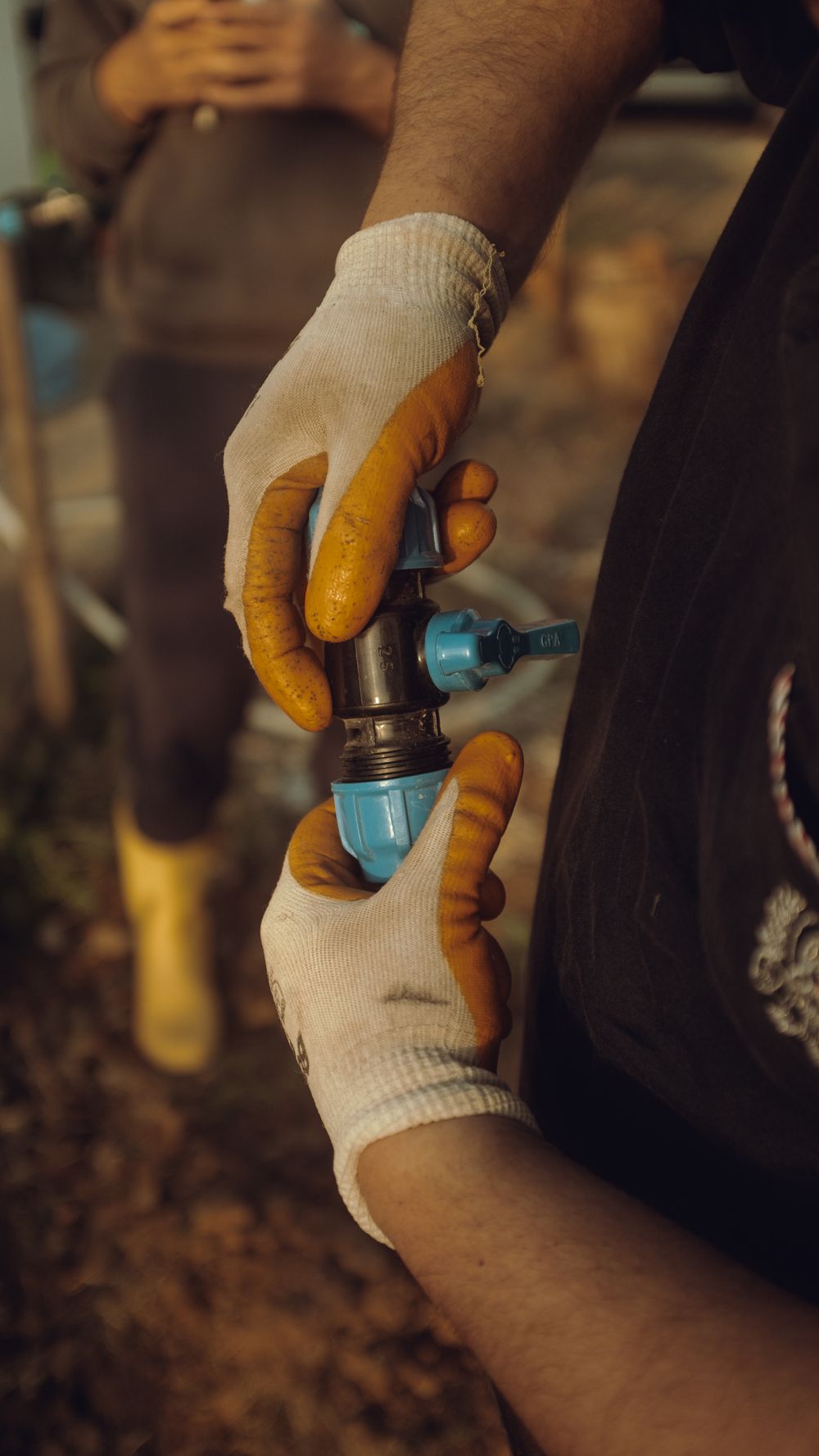
Spot repair, lining or old sewer pipe replacement
There are three broad answers, and many lines use more than one:
- Spot repair: dig at one bad joint or section and replace just that piece
- Lining: renew a run that is cracked or root-prone but still round, through small access points
- Replacement: lay new pipe along the route, by open trench or by pipe bursting
Old sewer pipe replacement is the right call for a line that is failing in several places, has collapsed, or has a belly that holds water. If the damage is limited to one or two places, a spot repair can be the sensible answer. Our page on trenchless sewer repair covers lining and bursting in depth.
Have camera footage of an older line? A pro can talk through repair, lining or replacement.
Get upfront pricing on the phoneWhat replacement pipe is used today
New laterals are generally built from modern plastic pipe with long sections and tight, sealed joints. That gives roots far fewer places to get in and holds alignment better than short clay sections. The exact material and fittings depend on the job and local requirements, which the pro doing the work should know.
Adding an outdoor cleanout during replacement is common and worth asking about. Our sewer cleanout installation page explains why.
Replacing the line on a typical Mechanicsville lot
Older lots along the Route 360 core are modest in size, often with a driveway or walk over part of the route and mature hardwoods nearby. That shapes the plan: the tech will locate the line, mark depth and route, and then explain which stretches can be lined or burst and which need to be dug.
Restoration of lawn and hardscape is part of the conversation, and you should know before work starts what will be disturbed and what will be put back.
Questions to ask about an older line
- What material is the line, and does it change along the way?
- How many joints show roots, offsets or cracks, and where are they?
- Is the pipe still round enough to line, or does any stretch need digging?
- Where would access pits go, and what will be disturbed and restored?
- What does the upfront price include, and what would change it?
- What does the workmanship guarantee from the pro cover?
Good answers to these come from footage, not from a glance at the house. If a recommendation arrives before the camera does, ask to see the line first.
Buying or selling a home with an older sewer line
A general home inspection usually does not look inside the lateral. If you are buying a home from the 1950s to the 1970s, a sewer scope before buying a house tells you what you are taking on. Some places have point-of-sale lateral requirements; check current local requirements rather than assuming.
Established 1970s neighbourhoods such as sewer line repair in Holly Ridge are typical places where buyers ask about the original lateral.
Mechanicsville homes with older pipe
The strongest demand for replacement here is in the older Route 360 core, where 1950s to 1970s homes may still have their original clay or cast iron. Newer subdivisions rarely need full replacement: on our page about sewer line repair in Pebble Creek, the early-2000s homes mostly have PVC. North-side areas with a mix of ages, covered under sewer line repair in Rural Point, vary house by house. Homes on septic are outside this service.
Older sewer pipe questions
Common questions about clay, Orangeburg and cast iron laterals.
Older home, slow drains?
Call and find out what your line is made of and what it needs.
Call for a same-day slotThe camera shows it, and so does the pipe where it leaves the house. Old inspection reports or repair invoices can also mention it. Housing age gives a hint, not proof.
No. Clay that is aligned, with tight joints and little root entry, can keep working. Replacement makes sense when the camera shows widespread damage, collapse or repeated root entry.
Often, if it still holds its shape. Clay and cast iron that are cracked but round are common lining candidates. Orangeburg that has deformed usually is not.
It depends on the length and depth of the line, the method and what sits on top of it. The technician will give you a realistic estimate once the line has been located.
Some digging is almost always needed, even for trenchless work. How much depends on the method chosen for each stretch, which you will hear before work starts.
Usually the lateral is the homeowner's responsibility up to the main or the property line, but it varies. Check with your sewer provider for your address.
Requirements vary and change, so check current local requirements. The pro doing the work should know what applies and whether they will pull any permit.
Ask what the camera found, which method is planned for each stretch, what will be disturbed and restored, what the upfront price includes, and what the workmanship guarantee covers.
Clay sewer pipe replacement in Mechanicsville, explained by phone
Calls answered 24/7, pricing explained before work begins. See the overview of sewer line repair mechanicsville homes need most.
(555) 010-0100 Call about your older line